🕊️ Remembrance & the Great War
First World War sites and the Maginot Line in the Grand Est
The Grand Est bears the scars of the conflicts that redrew its borders between 1870 and 1945. Around Verdun, the 1916 battlefield can be explored in stages: the Memorial, Douaumont Ossuary, Fort Douaumont and Fort Vaux, the Trench of Bayonets (Tranchée des Baïonnettes) and the Underground Citadel. In the Argonne, the Butte de Vauquois reveals the craters of mine warfare. In the Vosges, the Hartmannswillerkopf combines a battlefield, a national monument and a Franco-German Historial (museum). Further north, the forts of the Maginot Line plunge underground, into galleries preserved by volunteers.
The unique history of Alsace and Moselle, twice annexed, is best understood at the Alsace-Moselle Memorial in Schirmeck; at Colombey-les-Deux-Églises, the Charles de Gaulle Memorial evokes another chapter of national memory. These sites take time and a little preparation: several close for a few weeks in winter, the underground forts stay cool all year round and some can only be visited with a guide. Allow at least a full day for Verdun and always check opening times on the official website.
What to do this month?
Pick a month: our seasonal ideas and a tip to make the most of it.
January: A quiet month: the Verdun Memorial and Fort Douaumont generally close until early February (from 5 January to 1 February in 2026). Open-air sites such as the Trench of Bayonets remain accessible, as does Fort Hackenberg, which offers winter tours on certain afternoons.
February: The Verdun Memorial and Fort Douaumont reopen in early February (on 2 February in 2026). During the winter school holidays, Fort Hackenberg runs tours every day. Few visitors: ideal for a reflective visit.
March: Fort Schoenenbourg resumes weekend tours in March (check the 2027 calendar). At Verdun, the days are still short: set off early to take in several sites.
April: Spring makes the battlefield paths easier going. The Hartmannswillerkopf Historial reopens in spring (date to be confirmed); at Verdun, opening hours lengthen from April.
May: On 1 and 8 May, the galleries of the Butte de Vauquois are usually open from 10:00 to 18:00. 8 May is also a day of ceremonies at many memorial sites.
June: The month of the June 1916 fighting around Fort Vaux and the Trench of Bayonets: a good time to explore the battlefield on foot, before the summer crowds.
July: High season: extended opening hours everywhere. Fort Vaux reopened in July 2026 after works. At the Hartmannswillerkopf, set off early to enjoy the cool of the morning on the trails.
August: The coolness of the galleries is welcome in August: Fort Schoenenbourg, Fort Hackenberg and the Verdun Underground Citadel. Schoenenbourg is generally open every day in July and August.
September: European Heritage Days on the third weekend: special tours, sometimes after dark, at several Maginot forts and memorial sites. Book early.
October: Autumn colours on the Vieil Armand: the last comfortable weekends for exploring the battlefield. The Hartmannswillerkopf holds a Day of Remembrance on 31 October 2026.
November: The month of Armistice Day (11 November), with ceremonies at many sites. The Hartmannswillerkopf Historial closes after 13 November and the Maginot forts switch to reduced winter hours.
December: At Verdun, the Memorial and Fort Douaumont stay open until 31 December, except around Christmas (24 and 25 December, depending on the year). The Underground Citadel is open from 1 to 23 and from 26 to 30 December in 2026.
Map: Remembrance & the Great War in the Grand Est
Our tips
- Start Verdun at the Memorial to understand the battle, then move on to the Ossuary, the Trench of Bayonets and Fort Douaumont, all close together on the battlefield.
- In the Maginot Line forts, the temperature stays cool and constant all year round: bring a warm jacket and sturdy shoes, even in midsummer.
- Fort Hackenberg can only be visited on a guided tour, lasting around 2 hours 30 minutes, including a ride on the original little electric train; book online to avoid queuing.
- At the Hartmannswillerkopf, the battlefield is freely accessible all year round but not recommended in winter; the Historial and the crypt only open in season (until 13 November in 2026).
- At the Butte de Vauquois, the underground galleries can be visited with the association’s guides, usually on the first Sunday of the month at 9:30; the surface and its craters remain freely accessible.
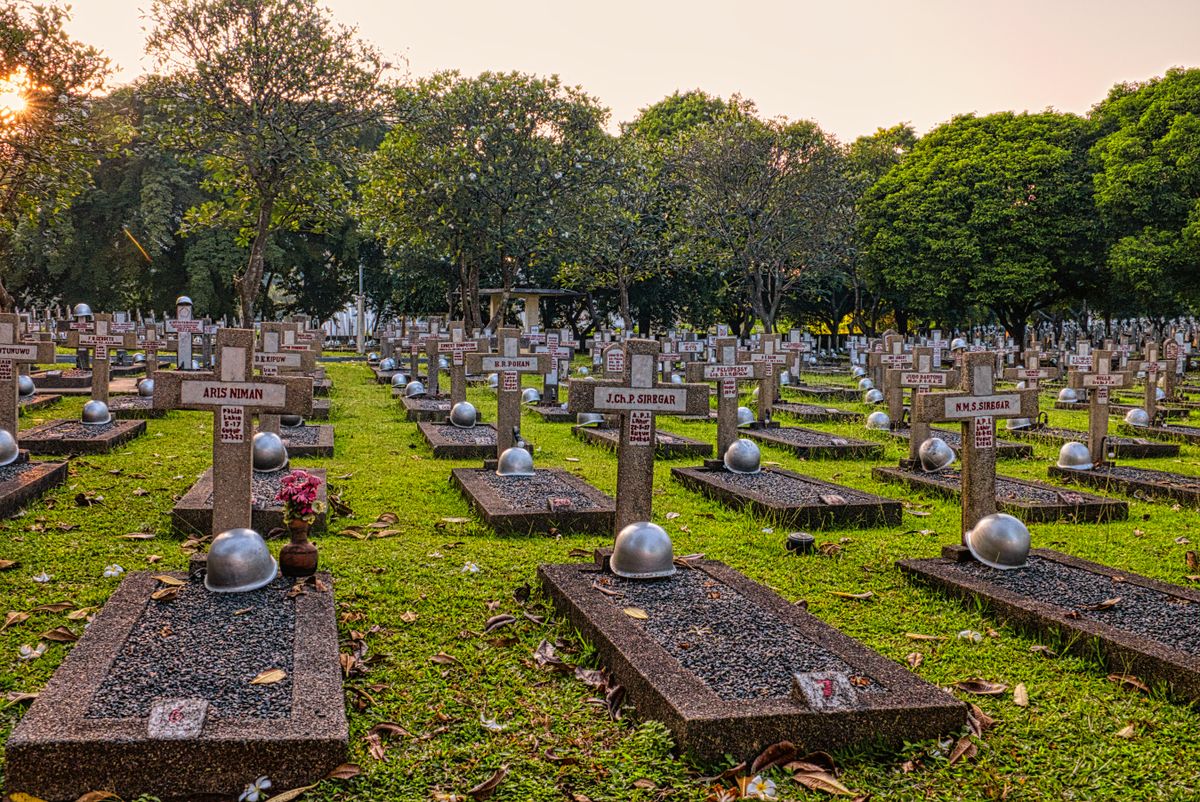
- These sites are also cemeteries: dress appropriately, keep quiet near the military cemeteries and respect ceremonies, especially around 11 November.
All places and activities: Remembrance & the Great War (14)
Frequently asked questions
How long do you need to visit Verdun?
Allow a full day for the Memorial, Douaumont Ossuary, the Trench of Bayonets and Fort Douaumont, and an extra half-day for the Underground Citadel, Fort Vaux or the Butte de Vauquois. The battlefield sites are a few kilometres apart: a car is almost essential.
Is the Verdun Memorial open in January?
Generally not: it closes for a few weeks at the start of the year (from 5 January to 1 February in 2026, like Fort Douaumont). The rest of the year, it is open every day. Check for exceptional closures on the Memorial’s official website.
Which Maginot Line fort should I visit?
In northern Alsace, Fort Schoenenbourg at Hunspach offers almost 3 km of galleries 30 m underground, with self-guided or guided tours. In Moselle, Fort Hackenberg can only be visited with a guide, including a ride on a little electric train. Both have seasonal opening hours, so check before you go.
Were the soldiers of the Trench of Bayonets buried standing up?
It is a legend. According to historical sources, the soldiers who fell in June 1916 were buried in the trench after their death, and the rifles stuck in the ground marked where the bodies lay. The 1920 monument remains a moving place of remembrance.
Information checked in October 2026. Opening hours, prices and conditions may change: check the official websites before you travel.
Sources consulted (13)
- cheminsdememoire.gouv.fr/sites/default/files/2021-06/2021_06_07_Exposition_HWK.pdf
- memorial-hwk.eu/fr/horaires
- memorial-verdun.fr/files/fa72b546/tarifs_2026_maj_tarifs_fr.pdf
- memorial-verdun.fr/files/310c959c/20260505_cp_fort_de_vaux_vf.pdf
- guide-tourisme-france.com/VISITER/fort-douaumont--douaumont-12691.htm
- museumspass.com/index.php/en/museum/epcc-memorial-de-verdun-champ-de-bataille
- tourisme-verdun.com/verdun-en/sejour/post/underground-citadel
- tourisme-eguisheim-rouffach.com/EN/Fort-Schoenenbourg-Maginot-line-f219006469.html
- explore-grandest.com/?p=53539
- cheminsdememoire.gouv.fr/en/butte-de-vauquois
- en.wikipedia.org/wiki/Bayonet_Trench
- defense.gouv.fr/chemins-memoire/histoire-memoires/ressources-historiques/premiere-guerre-mondiale/sorties-guerre/memoires-guerre-7
- guide-tourisme-france.com/VISITER/memorial-alsace-moselle--schirmeck-12201.htm